

Injuries, Scars, and the Memory of the Body
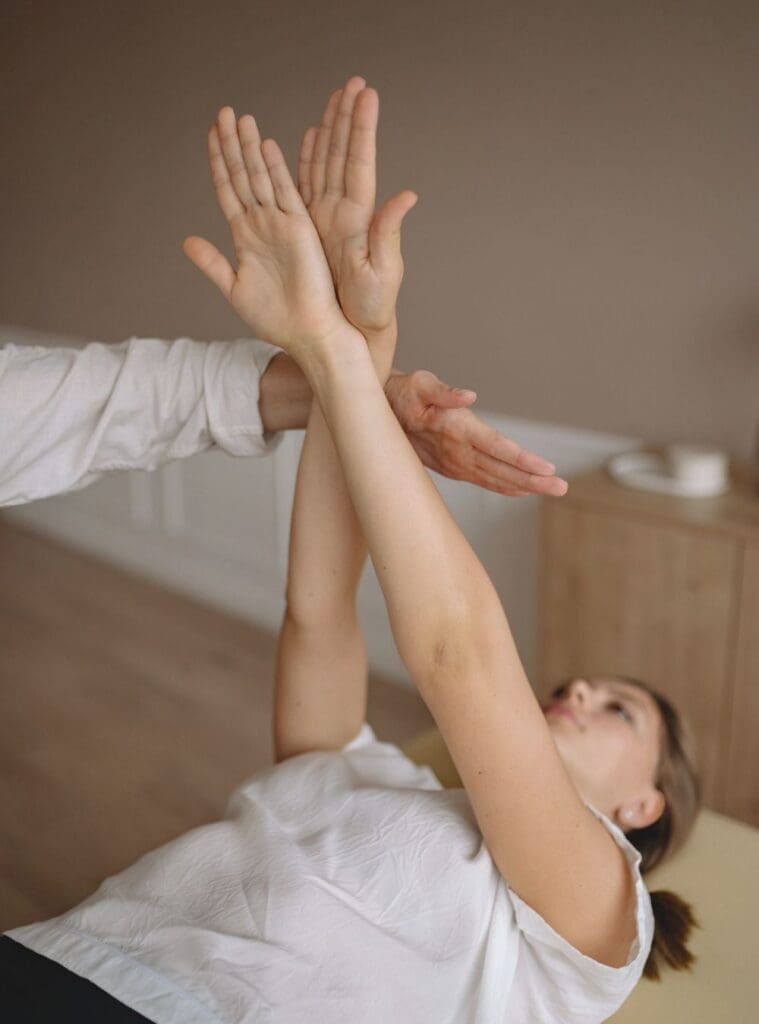
The Body Remembers More Than the Injury
Injuries are often thought of as moments in time — something that happens, heals, and is left behind. A cut closes, a scar forms, and life moves forward. But from a more complete perspective of the body, the story is rarely that simple.
The body remembers.
Not just in thought, but in tissue, in movement, and in the way it continues to adapt long after the initial event has passed.
When an injury occurs, the body responds intelligently. It protects, compensates, and works to repair. Part of that process may involve the formation of scar tissue — a natural and necessary part of healing. However, scar tissue does not always behave in the same way as the original tissue. It can alter tension, restrict movement, and change how forces are distributed throughout the body.
Scar Tissue, Fascia and the Nervous System
This is where the fascial system becomes important.
Fascia is the connective network that surrounds and integrates every muscle, organ, and structure. It is continuous throughout the body, meaning that a restriction in one area can influence function elsewhere. When trauma occurs, whether physical or emotional, the body may store part of that experience within this system.
Certain areas of the body carry particularly high levels of sensory input — such as the wrists, ankles, hands, feet, and abdomen. These regions have a strong representation in the brain, meaning even small changes can have a disproportionate effect on how the body is perceived and controlled.
A scar in one of these areas, even something as seemingly minor as an injury near the fingernail, can influence how the nervous system interprets that region. This can subtly alter movement patterns, coordination, and even tension throughout the body.
The Lasting Impact of Surgery and Emotional Trauma
Larger or more significant procedures can carry an even deeper impact.
For many women, a caesarean section is not only a physical event, but an emotional one. It can involve urgency, uncertainty, and in some cases, elements of fear or loss of control. While the body heals externally, the internal experience may not always be fully processed.
Similarly, surgeries involving the heart or lungs — often associated with life-threatening circumstances — can leave a lasting imprint. These are not only structural interventions, but profound experiences for the nervous system.
In these moments, the body does what it is designed to do: it protects. It adapts. It holds.
Over time, this can present as areas of tension, altered movement, sensitivity, or a sense that the body is not moving as freely as it once did. These patterns are not faults — they are the result of the body doing its best to navigate and survive what it has experienced.
Supporting Healing Through Integration and Awareness
Understanding this allows for a different approach.
Rather than viewing scars and injuries as something that is simply “healed” or “not healed,” they can be seen as areas that may still require integration. Gentle movement, awareness, and appropriate care can help reintroduce these areas to the rest of the body, allowing for improved communication and function.
This is not about forcing change, but about creating the conditions where the body feels safe enough to let go of what it has been holding.
In this way, healing becomes less about correcting the past, and more about supporting the body in the present.
The body is not holding on without reason. It is responding to what it has experienced.
And with the right support, it has the capacity to adapt once again — not from a place of protection, but from a place of balance.


Be the first to comment